


How to find the right classic or collector car for me?
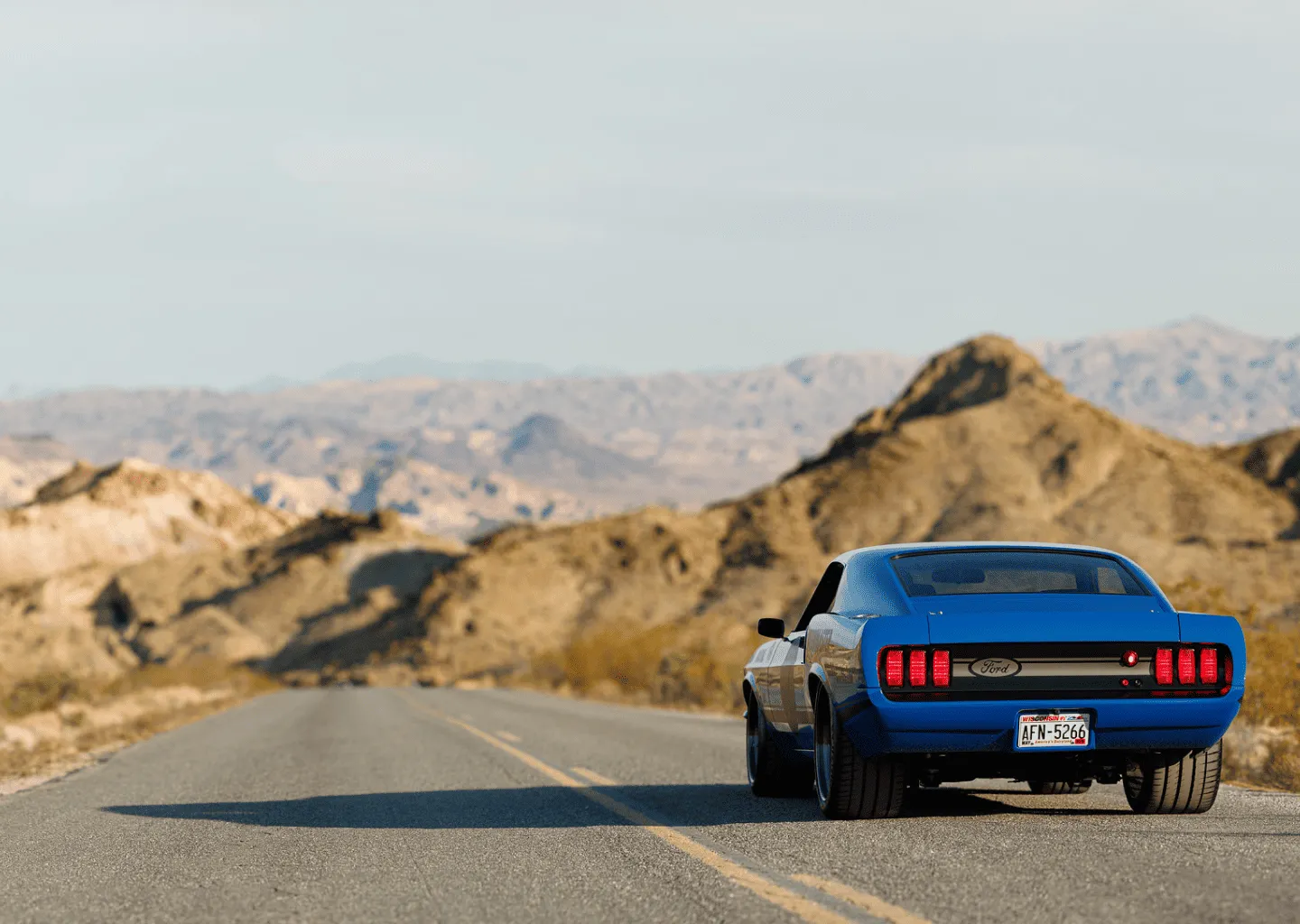
Are you looking to buy an enthusiast car? Whether it’s a traditional classic, American muscle, or a modern sports car, the thrill of escaping to the OpenRoad is a joy that’s difficult to resist! Finding the right car can be challenging, so we’ve compiled a few tips that might make it easier for you.
Have you already decided on a classic or collector car? Congratulations! Have you also considered how to protect it? Don’t worry if you haven’t. You can get a classic car insurance quote from OpenRoadInsurance today.
Where can I buy a classic or collector car?
The classic and collector car market still operates in the same way it has for decades. However, instead of buying several magazines or reading the classifieds in your local newspaper, you can find any classic car you’re looking for online. And if you’re an in-person shopper, good news, there are plenty of dealers you can visit as well. Here are some of our favorite options!
- Online Marketplaces &Classifieds: Major websites such as classic.com, classiccars.com, and hemmings.com are fantastic sites for finding classics for sale from both private sellers and dealers, from all around the country.
- Specialized Dealers: Every major market and most small towns have classic and collector car dealerships. Some dealers focus on a specific vehicle type, such as muscle cars, modern sports cars, or even vintage trucks and 4x4s. Others have a rangefrom antique to modern. Both types are great places to visit as you search for your classic car.
- Online Auctions: Bring a Trailer, Cars & Bids, and Hemmings Auctions are three fantastic online auctions to look for your new classic or collector car. The demand for the vehicles being sold on these sites is strong; it’s best to do your research before placing your first bid!
- eBay Motors: eBay casts a wide net, and its motors section is known for interesting finds. If you have a specific model or make in mind, you may want to give the eBay marketplace a look.
- Car Clubs: You know who’s really good to ask? Guys who have the classic car you’re looking for. Stop by a local car club event to see if you can get any advice on where to look for your dream car.
How can I research the history of a classic car?
Let’s say you’ve narrowed your search down to a model or two. Now it’s time to learn more about the specific classic you’re looking to buy.
First, take a test drive and make sure the car drives and performs well, and is in the condition you expected. Does it start easily, idle without challenge, and perform other basic functions, such as braking and turning, without issue.
Also, ask the seller to see the vehicle's maintenance records. Ideally, you want to see a comprehensive file with the vehicle's service history, and for that history to show the vehicle has been routinely serviced by professionals. Not all vehicles will have extensive service files. That’s not a deal breaker, but it does make our last recommendation, having the vehicle inspected by an independent mechanic, even more important.
CarFax is also a solid source of information, but it may be limited if the classic car or truck you’re looking at is truly a vintage model or has been sitting for an extended period. If you’re looking for a more recent model, the results are likely to be accurate, but always double-check, as purchasing the wrong enthusiast car can be very expensive.
However, as mentioned above, the best option is to have any car you’re considering purchasing independently reviewed by a trusted mechanic. Setting up an appointment to have a classic car checked out by a professional may keep you from making a costly mistake.
What's the difference between original, restored, and resto-mod?
A classic car that’s ‘original’ has all or most original parts. It may have belts, hoses, brakes, and other components replaced over the years, but it should have the original engine, transmission, and other key parts be the same ones that the car left the lot with.
A restored model has been repaired or refurbished to its original factory condition or better. Cars that have been ‘restored’ often use period-correct parts to match the original specifications. The process of restoring a car can involve extensive mechanical, interior, and body work. The goal is to make the vehicle look and function as it did when it came off the factory line.
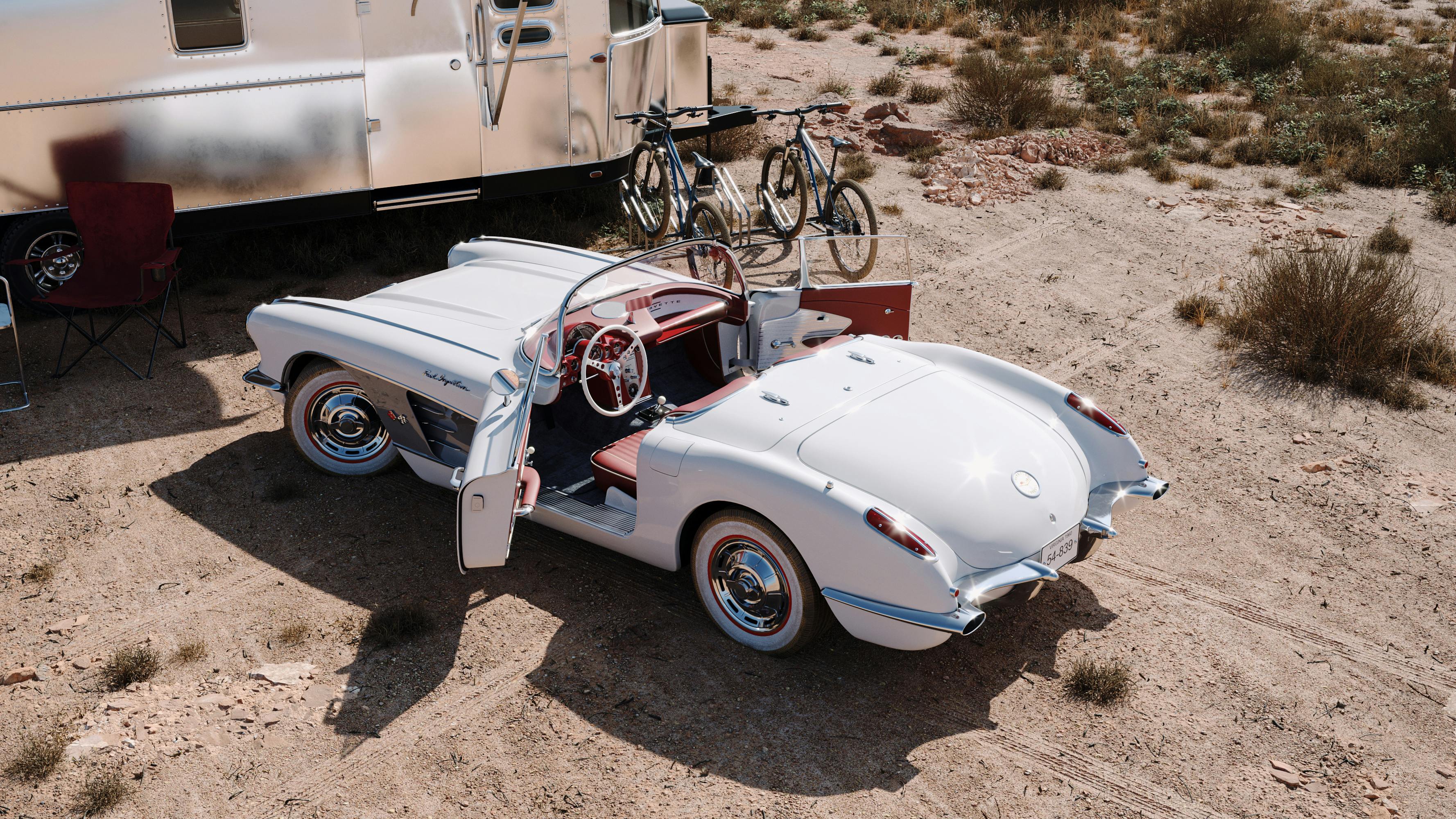
A ‘resto-mod’ has undergone a similar process as a ‘restored’ model, but it’s been modified. Key modifications can include engine upgrades, modern paint or cosmetic changes, or adjustments to key systems to improve performance or add comfort features.
It’s a good idea to be careful when considering a ‘resto-mod’ because you may buy someone else’s mistakes.
Understand the upkeep and other costs of your classic car
Do you have your heart set on a classic Porsche, Jaguar, Camaro, or Mustang? Make sure you can budget for repairs, replacement parts, and service.
Service and repair costs can vary dramatically by vehicle year, make, and model. It’s important to understand the total cost of upkeep before you purchase a classic or collector car.
Get an insurance quote for your classic car
Lastly, you’ll need to get insurance for your classic car. The good news is that the team at OpenRoad Insurance has you covered, literally. If you know you’re going to need classic car insurance, you can apply today and get a quote from our experts.
Do you have questions about classic car auto insurance? Give us a call at 1-866-952-7622 or send us a message.